Sizzle Your Brand with a Funny 4th of July Hot Dog Design
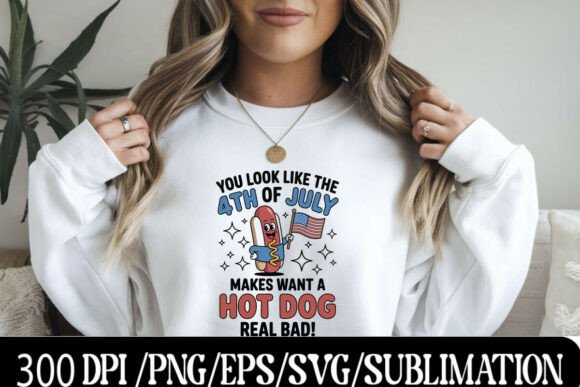
Nothing captures the playful spirit of American summer quite like a Funny 4th of July Hot Dog Shirt Design. This specific visual asset—a cartoon hotdog clutching the American flag—transcends simple clipart to become a powerful tool for graphic designers and marketers. In a crowded digital marketplace, humor is a strategic differentiator. By blending patriotic iconography with a universally recognized symbol of the BBQ season, this design creates an immediate emotional connection with the viewer, making it an invaluable asset for seasonal branding and merchandise.
The Visual Anatomy of Effective Holiday Graphics
From a graphic design perspective, the success of this artwork lies in its adherence to fundamental principles of visual hierarchy and brand identity. The composition balances the "cute factor" of the character with the bold, recognizable elements of the American flag. When utilizing assets like this, designers must consider the color palette. The classic red, white, and blue are essential, but the inclusion of warm yellows and browns for the hotdog adds depth and prevents the design from feeling flat. This approach ensures the graphic pops on both print design (like t-shirts) and digital marketing materials.
Key Design Elements to Evaluate
When integrating this USA funny artwork into your creative workflow, evaluate the following technical aspects to ensure professional quality:
- Scalability: Whether you are using an SVG format for web or high-resolution vectors for packaging design, the lines must remain crisp. A well-designed cartoon character maintains its personality even when scaled down for a favicon or up for a banner.
- Typography Pairing: If you plan to add text like "Grill Master" or "Freedom Lover," choose typography that complements the cartoon aesthetic. A bold, sans-serif font often works best to maintain the playful, modern aesthetic required for holiday humor.
- Whitespace Management: In UI design or web layouts, ensure the busy nature of the illustration doesn't clutter the interface. The design should breathe, allowing the viewer's eye to focus on the call to action.
Practical Applications for Designers and Marketers
The versatility of this summer cookout theme allows it to fit seamlessly into various creative projects. It is not limited to just apparel design; its utility spans across multiple platforms, enhancing user engagement and brand relatability.
- Merchandise and E-Commerce: The primary application is apparel. This funny holiday shirt aesthetic translates perfectly to tote bags, aprons, and koozies. For print-on-demand businesses, this design serves as a high-conversion asset for the July 4th season.
- Social Media Graphics: Use the character as a mascot for a week-long social media campaign. A cartoon hot dog sticker can be animated for Instagram Stories, adding a layer of UX design delight that encourages sharing.
- Event Branding: For corporate BBQs or community events, this patriotic humor can unify the visual identity. It can be applied to editorial design elements like menus, invitations, and signage, creating a cohesive brand experience.
- Digital Products: Market this as part of a "Summer Party Pack" digital asset bundle. It is perfect for planners, digital stickers, and presentation backgrounds for those celebrating the holiday remotely.
Strategic Integration for Brand Success
When deploying a Funny 4th of July Hot Dog Shirt Design, context is king. While the image screams patriotic shirt, it must align with the brand's voice. For a family-friendly restaurant, it reinforces a welcoming atmosphere. For a tech startup, it can humanize the brand during a summer sale. Ensure the design does not conflict with existing brand guidelines regarding color saturation or tone. The goal is to appear festive, not chaotic.
Ultimately, the power of this design lies in its ability to communicate a complex set of emotions—patriotism, fun, nostalgia, and hunger—through a single image. By selecting high-quality, thoughtful creative assets that prioritize both aesthetic appeal and functional versatility, designers can elevate their seasonal campaigns from generic to memorable, ensuring their message resonates with audiences long after the fireworks have faded.